
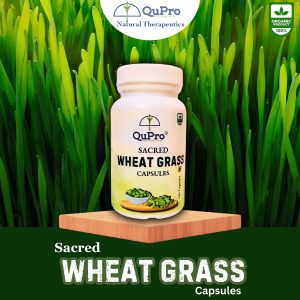
Wheatgrass: A Nutrient-Rich Superfood and Its Potential Benefits
In recent years, wheatgrass has gained popularity among health enthusiasts because of its impressive nutrient profile and versatility. Many advocates consider it a powerful addition to a balanced diet due to its abundance of vitamins, minerals, amino acids, and plant compounds.
What Makes Wheatgrass Special?
Wheatgrass contains a variety of nutrients, including vitamins A, C, E, K, and several B vitamins. It also provides trace minerals such as iron, zinc, magnesium, potassium, phosphorus, calcium, sodium, and selenium. In addition, it contains amino acids that contribute to the body’s protein needs.
Rich in Chlorophyll and Antioxidants
One of the key components of wheatgrass is chlorophyll, the pigment responsible for its bright green color. Supporters believe chlorophyll may contribute to overall wellness and help maintain a healthy internal environment. Wheatgrass also contains antioxidants such as flavonoids and phenolic compounds, which help combat oxidative stress and support the body’s natural defense systems.
Possible Health Benefits
According to proponents and preliminary studies, wheatgrass may offer several potential benefits:
Supports overall nutrition with a wide range of vitamins and minerals.
Provides antioxidant compounds that may help protect cells from damage.
Contributes enzymes that support digestion and gut health.
May assist in maintaining healthy energy levels and immune function.
Acts as a natural source of plant-based nutrients.
BUY WHEATGRASS CAPSULES HERE:https://qupro.in/shop/herbal/sacred-wheat-grass-capsules/
Final Thoughts
Wheatgrass is valued as a nutrient-dense superfood that can complement a healthy lifestyle. While it provides a variety of vitamins, minerals, and antioxidants, its health effects continue to be an area of ongoing research. Including wheatgrass as part of a balanced diet may help support overall wellness and nutritional intake.
Disclaimer : This is not for medicinal use. This is for education purpose only. Consult health professional.